


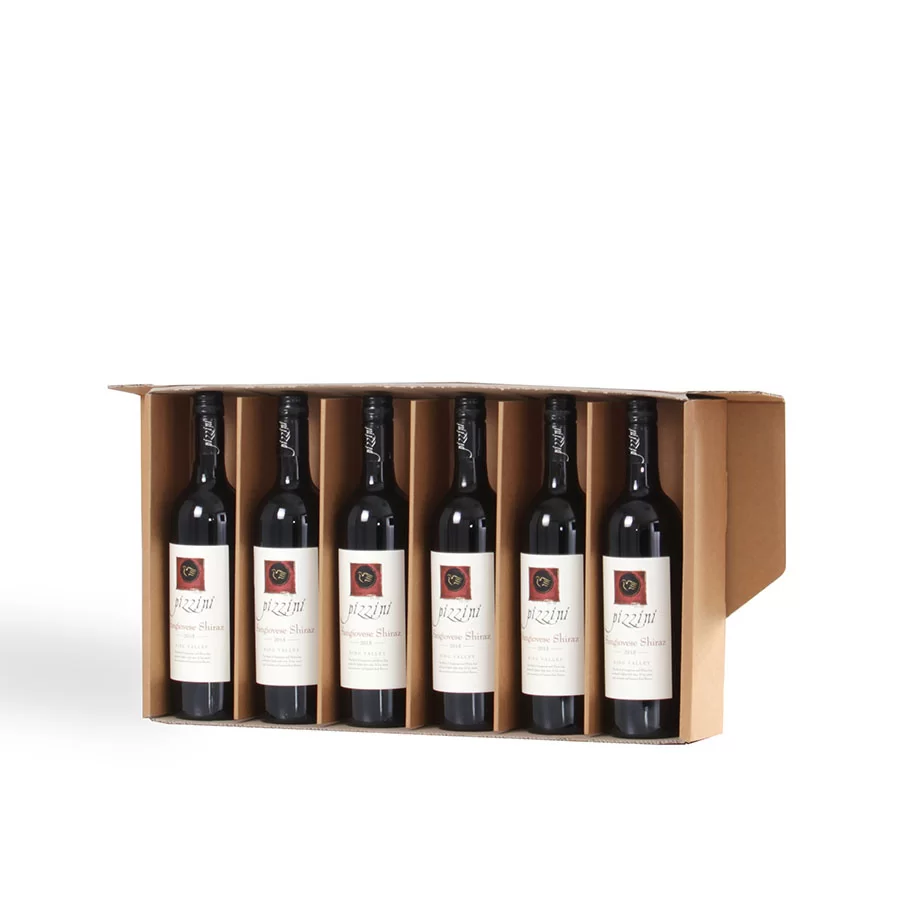
Wine boxes and beer packaging are both designed to protect products, improve supply chain efficiency and support brand presentation, but their design requirements differ based on the product, distribution model and customer expectations.
Wineries often require packaging that supports direct-to-consumer shipping, premium presentation and the protection of heavier glass bottles. Breweries typically prioritise retail-ready formats, automation compatibility and efficient handling of bottles and cans in high-volume production environments.
Understanding these differences can help beverage producers identify the packaging features that matter most for reducing damage, lowering freight costs and improving operational efficiency. This guide explores the key similarities and differences between wine boxes and beer boxes, and how packaging design supports product protection, distribution and supply chain performance.
Similarities Between Wine Boxes and Brewery Boxes
While wine and beer packaging are designed for different products, they share several key objectives:
- Product protection to reduce damage during storage and transport.
- Freight efficiency through effective pallet utilisation and space optimisation.
- Branding opportunities with custom printing and promotional messaging.
- Sustainability through recyclable corrugated fibre and responsible sourcing.
- Cost efficiency by improving packing, storage and distribution performance.
Key Differences Between Wine Boxes and Beer Boxes
Wine packaging is typically designed around:
- Heavy glass bottles
- Premium presentation and gifting
- Wine club and direct-to-consumer fulfilment
- Bottle separation and protection
- Branded unboxing experiences
Brewery packaging is often designed around:
- Bottled and canned beverage formats
- High-volume production environments
- Fast packing-line speeds and automation
- Retail shelf presence and merchandising
- Multipack configurations and wholesale distribution
The key difference is that wine packaging often prioritises bottle protection and customer presentation, while brewery packaging is frequently engineered to maximise production efficiency, retail performance and distribution scalability. The most effective packaging solution is determined by the product, packing process and supply chain requirements rather than one format being inherently better than the other.
How Do Protection Requirements Differ Between Wine and Beer Packaging?
Wine and beer packaging are designed to achieve the same goal, protecting products during storage and transport, but they do so in different ways because the products themselves create different risks.
Wine packaging is typically engineered around heavier glass bottles, premium presentation requirements and direct-to-consumer shipping. Beer packaging often needs to accommodate a mix of bottles and cans while supporting retail distribution, pallet movement and high-volume production environments. While both require strong corrugated construction, the design priorities often differ based on how the product is handled, transported and sold.
How Do I Prevent Bottle Breakage During Shipping?
The most effective way to prevent bottle breakage is to minimise product movement inside the carton.
When bottles shift during transport, they can collide with each other or the carton walls, increasing the likelihood of damage. Internal partitions, purpose-built dividers and cartons sized specifically to the product help keep bottles securely separated throughout the journey. Protection is particularly important for direct-to-consumer shipments, where packages may be handled multiple times before reaching the customer.
Beyond the internal fit, factors such as board grade, stacking strength and pallet configuration also influence how well products survive transport. A well-engineered carton works as an integrated system, protecting against vibration, compression and impact throughout the supply chain.
What Causes Beverage Cartons to Fail During Transport?
Most carton failures occur when the packaging is not suited to the product or transport environment.
Excessive void space can allow bottles to move freely during transit, while insufficient board strength can lead to crushed cartons when pallets are stacked. Moisture exposure, poor pallet patterns and incorrect packaging specifications can also compromise performance. In many cases, damaged products are not the result of a single impact but the accumulation of vibration and handling stresses over a long transport journey.
Effective beverage packaging considers product weight, transport conditions, storage environments and stacking requirements to ensure the carton performs consistently from warehouse to delivery.
How Do Product Requirements Influence Packaging Design?
Packaging should be designed around the product it contains rather than relying on a one-size-fits-all solution.
Every beverage product has different characteristics that influence carton design. Bottle shape, weight, pack size, production volumes and distribution methods all affect how the packaging is engineered. These requirements determine everything from the carton dimensions and board grade through to printing methods and internal protection systems.
The result is that wine packaging and beer packaging often look different because they are solving different operational challenges.
Why Do Wine Bottles Need Different Packaging Than Beer Bottles?
Wine bottles typically require packaging that prioritises protection, presentation and direct-to-consumer delivery.
Wine bottles are often taller, heavier and more varied in shape than beer containers. Many wineries also rely on ecommerce, wine clubs and gifting programs, creating additional emphasis on presentation and customer experience. As a result, wine cartons frequently include bottle partitions, premium printing and specialised pack configurations designed to protect individual bottles while reinforcing brand perception.
Beer packaging generally focuses on supporting higher production volumes and retail distribution. This often results in packaging formats that prioritise efficient manufacturing, shelf presence and transport performance.
What Packaging Features Matter Most for Direct-to-Consumer Wine Shipping?
Protection and customer experience are typically the two most important considerations in direct-to-consumer wine shipments.
Unlike retail distribution, direct-to-consumer orders often travel through courier networks where packages are handled multiple times. Wine cartons therefore need to withstand transport while keeping bottles secure throughout the process. Features such as internal partitions, reinforced construction and tailored carton sizing help reduce damage risk.
At the same time, the packaging often serves as the customer’s first physical interaction with the brand. High-quality printing, premium presentation and thoughtful structural design can enhance the unboxing experience while maintaining the protection required for successful delivery.
How Does Packaging Support Different Distribution Models?
Different distribution channels create different packaging requirements.
A winery shipping directly to consumers faces different challenges than a brewery delivering pallet quantities to retailers and distributors. Packaging must therefore be designed around the movement of products through the supply chain, not just the products themselves.
The way a product is sold, transported and replenished influences everything from carton structure to automation compatibility.
What Packaging Features Matter Most for Direct-to-Consumer Wine Shipping?
Direct-to-consumer wine packaging should combine product protection, presentation and freight efficiency.
Shipping cartons need to protect bottles against impacts and vibration while maintaining an appearance consistent with a premium brand. Cartons designed specifically for wine shipping can help minimise breakages, improve customer satisfaction and support repeat purchasing by providing a positive delivery experience.
As online wine sales continue to grow, packaging increasingly functions as both a protective solution and a brand communication tool.
What Packaging Works Best for High-Volume Beverage Production?
Beverage packaging is often designed to maximise production efficiency while maintaining product protection.
High-volume breweries frequently use packaging formats that integrate with automated erecting, packing and sealing equipment. Wraparound cartons, carry packs and case cartons can help reduce labour requirements while maintaining consistent throughput on the production line.
Because many breweries distribute through retailers and wholesalers, packaging must also perform well during palletisation, warehousing and merchandising. As a result, beverage cartons are often designed to balance operational efficiency, transport durability and shelf presentation.
How Can Better Packaging Reduce Supply Chain Costs for Beverage Companies?
Well-designed packaging can lower costs across manufacturing, warehousing, freight and product replacement.
Packaging influences much more than material expenditure alone. Carton dimensions affect pallet utilisation, product protection affects damage rates and automation compatibility influences labour requirements. Small improvements in packaging performance can generate significant savings when multiplied across thousands or millions of units.
By engineering packaging around the product and supply chain requirements, beverage producers can improve efficiency while maintaining product integrity.
How Does Packaging Design Affect Pallet Efficiency?
Pallet efficiency is determined by how effectively cartons utilise available warehouse and transport space.
Cartons that are sized appropriately for the product can often fit more efficiently on standard pallets, increasing the number of units shipped per load. Better pallet utilisation can reduce freight costs, lower storage requirements and improve handling efficiency throughout the supply chain.
Even minor adjustments to carton dimensions can have a significant impact when transported across large distribution networks.
How Can Beverage Packaging Reduce Freight Costs?
Freight costs can often be reduced by improving carton design and space utilisation.
Packaging that closely matches product dimensions reduces wasted space, allowing more product to fit onto each pallet or transport load. Improved stacking strength can also increase pallet density while maintaining product safety. At the same time, reducing product movement and breakage helps minimise the indirect costs associated with damaged stock, returns and replacements.
For many beverage producers, packaging optimisation delivers cost reductions not only through material savings but through improvements across the entire supply chain.
How Abbe Designs Beverage Packaging Around Your Product Requirements
Abbe designs beverage packaging around the specific protection, production and distribution requirements of each product.
Although wine boxes and beer boxes share many similarities, the differences reflect the unique challenges of each beverage category. Wine packaging frequently focuses on premium presentation, bottle protection and direct-to-consumer delivery, while beer packaging is often engineered for automation, retail performance and high-volume distribution.
At Abbe, our team works with wineries, breweries and beverage manufacturers to design corrugated packaging that aligns with each product’s specific requirements. From wine shipping cartons and presentation packs to wraparounds, carry packs and partition systems, every solution is developed around the realities of production, transport and customer experience.
By combining structural design expertise, high-quality print capabilities and Australian manufacturing, Abbe helps beverage producers create packaging that protects products, improves operational efficiency and strengthens brand presentation throughout the supply chain.