


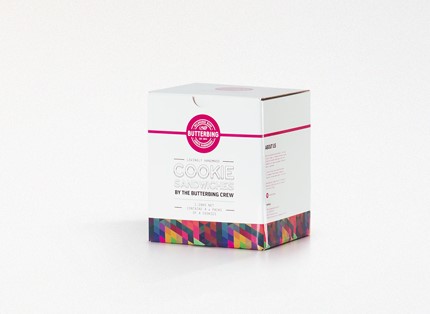
Packaging design has a practical job to do before it becomes part of your brand presentation. The right format needs to suit the product while also making sense for the way it will be stored and supplied to customers. For businesses reviewing custom cardboard boxes, thoughtful planning can help bring those requirements together without making the design unnecessarily complicated. In this blog post from Abbe, we’ll look at how to choose a suitable box format and connect it with your branding.
Start With the Product and Packaging Purpose
Before choosing colours or printed details, consider what the packaging needs to do. A lightweight item sent directly to a customer may have different needs from a product intended for store display. The box should fit the product closely enough to feel considered while still allowing room for any protective material that may be needed. It’s also worth thinking about how the package will be opened. Taking this practical approach gives the design a clearer foundation and can make later decisions about custom packaging supplies easier.
Match the Box Format to How It Will Be Used
Packaging can pass through several stages before it reaches the person buying the product, so the format should suit the way it will be handled. For eCommerce orders, a box may need to fit efficiently into a packing process while giving the contents appropriate protection during delivery. Retail packaging may place more emphasis on presentation at the point of sale. With FMCG packaging, businesses may also need to think carefully about packing efficiency and how consistently the format can be used across repeated product runs. These factors can help narrow the options before detailed artwork or printed finishes are considered.
Questions to consider include:
- What size should the box be?
- How much protection does the product need?
- Where will the packaged item be stored?
- How quickly does the box need to be packed?
- How should the customer open it?
Build the Brand into the Packaging Naturally
Brand elements are easier to apply once the box format has been settled. A package can feel distinctive without covering every panel in printed content, particularly when the logo is positioned clearly and the colour treatment reflects existing brand material. When planning branded eCommerce boxes, consider the first impression made when the customer receives the parcel, because the outer package becomes part of the broader purchase experience. Keeping the design connected to the visual language already used elsewhere can also make eCommerce packaging feel more coherent, rather than like a separate piece of marketing material.
Think About Production Before Finalising the Design
Before the design is finalised, consider how frequently boxes will be ordered and how much space is available for storing them before use. It may be helpful to think about whether one format can work across closely related products or whether different sizes are more practical. Decisions like these can affect the way custom cardboard boxes fit into everyday operations. Bringing production considerations into the design stage helps keep the project grounded in how the packaging will actually be purchased and used once it moves beyond the concept stage.
Talk to Abbe About Your Custom Packaging
At Abbe, we work with businesses looking for packaging that reflects their products and the way they operate. If you’re planning custom cardboard boxes, we can discuss your requirements and help you explore a format that makes sense for your application. Contact our team to start a conversation.